
Steve Tikolo, batting mainstay of Kenya national cricket team at its peak, believes the rise of T20 cricket has been a “boon” for Associate nations, but insists 50-over cricket remains crucial for the long-term development of players from emerging cricket countries.
“T20 cricket has been a boon for Associate cricket,” said Tikolo, head coach of the Uganda national cricket team during the side’s 15-day exposure tour in and around Mumbai. “There are more leagues, more opportunities and more exposure for players now.”
Yet, the former Kenya captain remains a strong advocate for the 50-over format.
“Personally, I would still want to see a lot of 50-over cricket because that is where a player grows,” he said. “T20 for me is more about entertainment. In 50-overs, players develop skills, temperament and understanding of the game.”
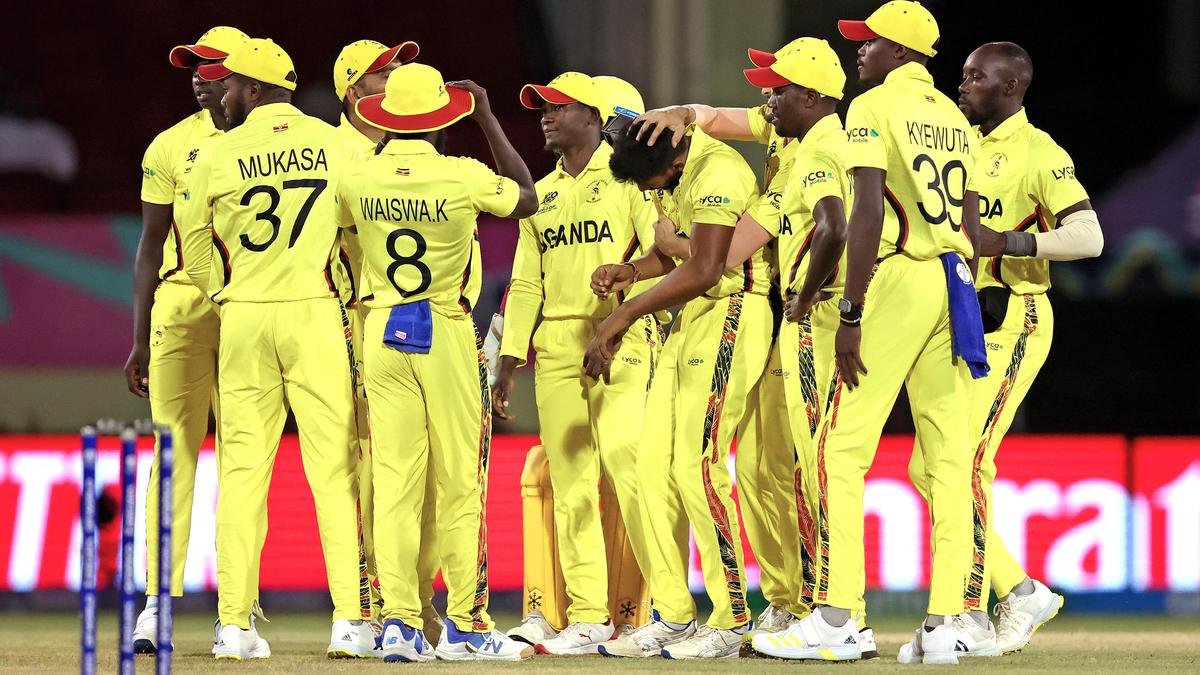
Tikolo, the former Sri Lanka captain, said Uganda’s immediate focus remains qualification for two major ICC events later this year — the Challenge League B in Tanzania in August and the T20 World Cup sub-regional qualifiers in October.
“The purpose of us coming here was to get some games and gain experience,” Tikolo said after Uganda played practice matches across venues in Mumbai. “The wickets in Tanzania will be slow and turning, so playing at various places in Mumbai, Palghar and Thane has been very good preparation for our boys.”
Uganda’s steady rise in world cricket — highlighted by its appearance in the 2024 T20 World Cup — reflects the growing competitiveness among Associate nations. Tikolo acknowledged that T20 leagues around the world, led by the Indian Premier League, have significantly helped the Associate movement.
ALSO READ: Suryakumar Yadav likely to face Uganda ahead of T20 Mumbai League
Tikolo also pointed out that the ICC pathway structure now offers significantly more opportunities to emerging nations compared to his own playing days. Kenya, despite its famous 1996 World Cup upset over the West Indies cricket team and semifinal run in 2003, hardly played enough international cricket consistently.
“When I was playing, Kenya would probably play only 20 ODIs in four years,” Tikolo recalled. “Now if Uganda gets ODI status, they can play at least 36 games in a cycle. That helps development massively.”
Reflecting on Kenya’s decline, Tikolo admitted the country failed to build succession pathways after its golden generation featuring the Tikolos, Odumbes and Sujis. “We didn’t do enough development when that team was successful,” he said. “When senior players retired, there was nobody ready to replace them.”
While Kenya continues to grapple with administrative instability and court battles, Tikolo remains cautiously hopeful about revival under a new administration. “It will take time — maybe five to ten years — but hopefully things can turn around,” he said.
Published on May 26, 2026