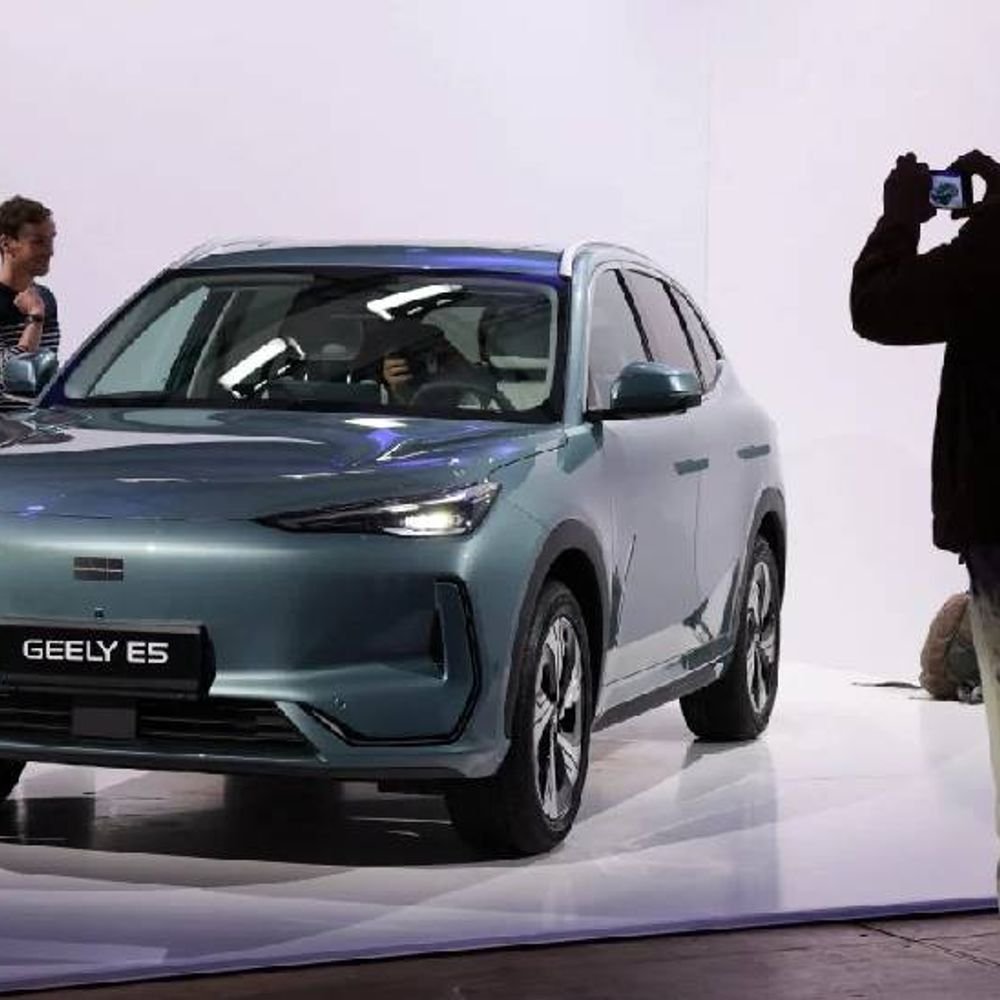
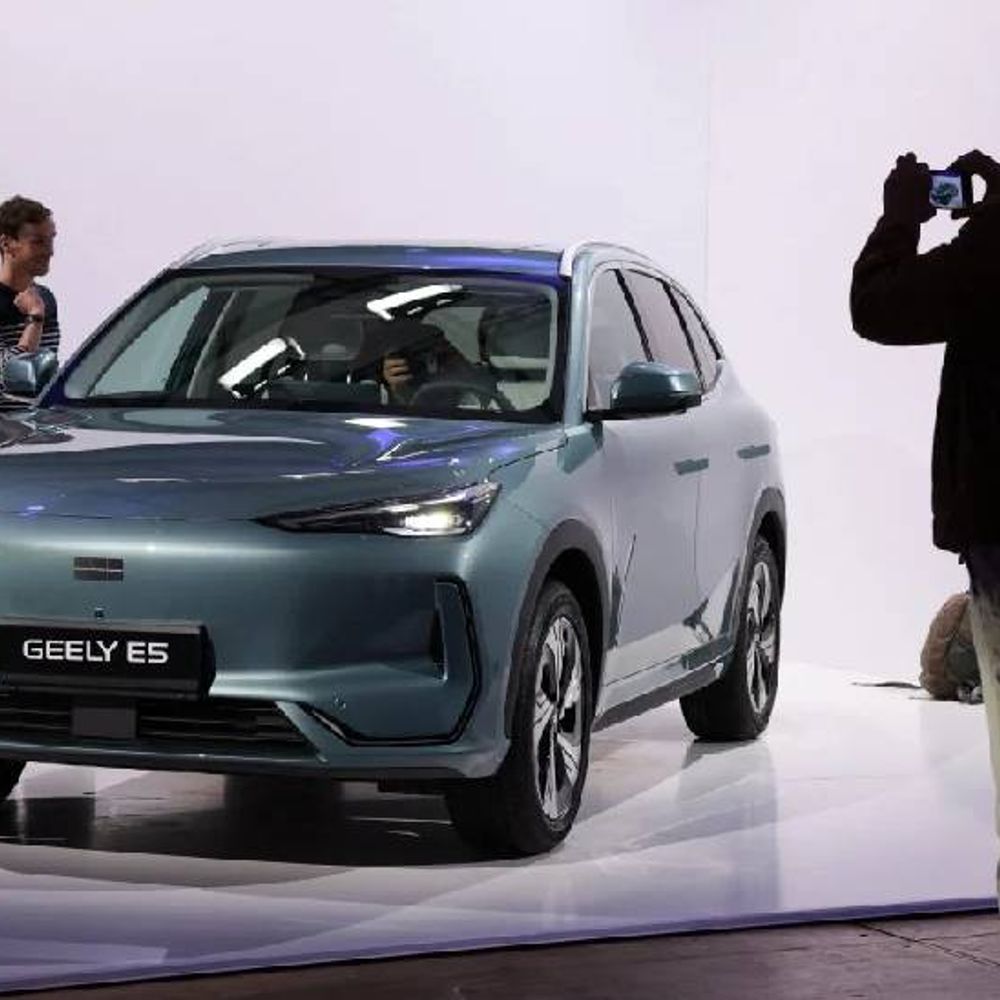
Demand for electric vehicles (EVs) has increased rapidly in many countries due to increase in prices of petrol, diesel and gas after the Iran war. In most countries of Asia, Latin America and Africa, there has been a 79 percent jump in EV sales in March this year compared to last year. In these countries, sales of electric cars were to increase by 48 percent in 2025. The Latin American country Costa Rica is a prime example of the fast pace of electric vehicle business. Electric vehicles accounted for 18 percent of all new car sales in Costa Rica in the first three months of the year. This is three times more than the US, where Tesla started the modern electric car revolution with its Model-S 14 years ago. Many other countries, including Ethiopia and Uruguay, are promoting electric vehicles to reduce their dependence on imported foreign oil, which is a burden on their economies and foreign exchange reserves. According to the International Energy Agency, the highest sales of electric vehicles in Asia are happening in China. 11 million EVs sold in 2024. This is almost half of the total vehicles. One in ten vehicles on the road in China in April 2026 was electric. There has been a 60 percent jump in sales of electric vehicles in 2024 in the economically emerging countries of Asia. There has been an increase of 40 percent in Vietnam and more than 20 percent in Thailand. It is also increasing in Indonesia. Government concessions on EVs and cheap vehicles from China have increased the business. Sales of two-wheeler and three-wheeler EVs in India have increased by 15 to 25 percent. Costa Rican MP Katia Cambronero has introduced a bill in Parliament to speed up the construction of charging stations. Costa Rican President Rodrigo Chavez is likely to approve the bill. However, Presidents Rodrigo and Cambronero are bitter political rivals. Costa Rica does not produce oil and produces most of its electricity from hydropower. China’s cheap electric cars have taken over the market. Costa Rica has promoted electric vehicles by giving tax and duty exemptions in 2018. Eco tourism is the main industry there. This policy appears to be correct as oil prices rise. Sales of EV cars have increased after the arrival of cheap Chinese models in 2023. But the situation of other poor countries is weak. Most big trucks run on diesel and cars run on petrol. According to Asomov, the EV Association of Costa Rica, the price of the three Chinese electric models is less than Rs 18-19 lakh. The per capita income here is one-fourth of America’s. In a survey, 70 percent of the members said that they have adopted EV not from environmental or health point of view but to save money. Shilva Rojas, Executive Director of EV Association, promotes the merits of electric vehicles in publicity campaigns in many countries. She conducts workshops to create a favorable environment for EVs in countries like Mexico, Colombia, Brazil and Kenya. Toyota was previously the most popular brand in Costa Rica. Now Chinese electric cars have captured the EV market here. There is also more emphasis in transport. Felipo Alonzo of grocery chain Auto Mercado says, we have reduced the delivery cost by 5-10% by using electric vehicles. Private bus company Biusa has replaced its entire fleet of 60 buses with battery operated buses. Electric models are 50 thousand dollars more expensive than diesel buses. But the company will soon compensate for this by reducing expenses on fuel and maintenance. Competition among EV brands No politician in Costa Rica wants to drive away EV owners. BYD, Geely, MG and dozens of other Chinese brands have rapidly cornered the Chinese market. Earlier, this market was dominated by Japanese, American and European brands. Toyota was prominent in this. Now, electric vehicle models of western companies including Tesla are rarely seen here.
Source link