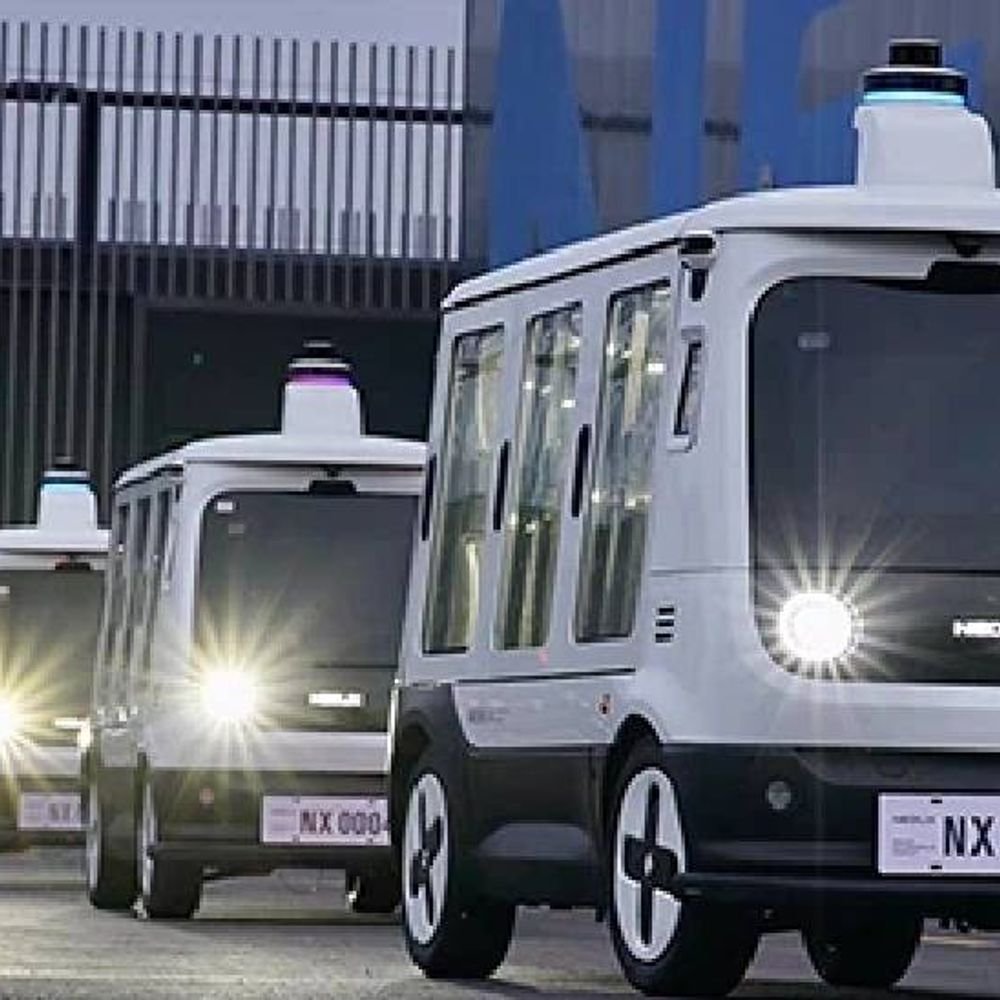
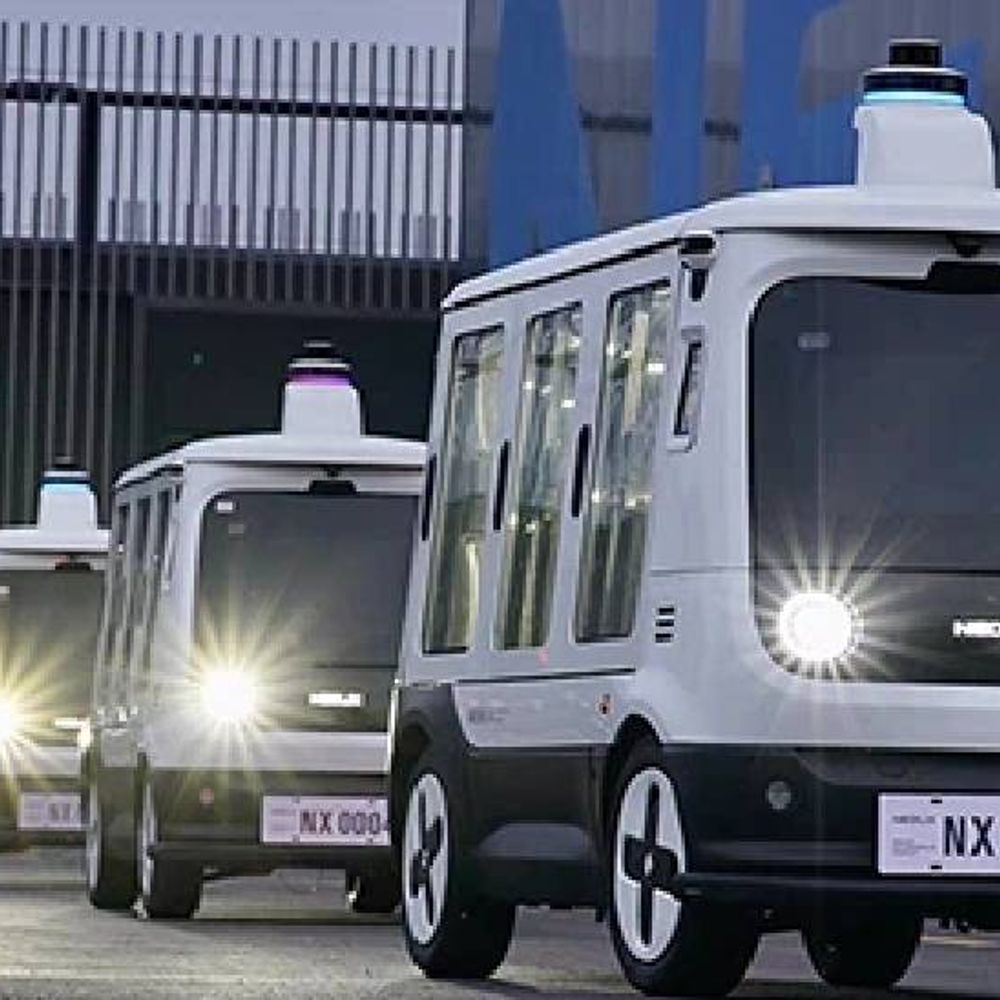
China is struggling with the side effects of AI and automation. The threat of large-scale job losses is looming. Cities like Chengdu have become laboratories of automation and human conflict. Just a year ago, there were very few autonomous vehicles in this city. Today it is among the most advanced cities in the world. Neolix company has launched 1,200 unmanned delivery vans here. The target is to increase it to 4,000 by December. The city is a symbol of that change, with robotaxis and food-delivery drones increasingly taking over the streets. There could be 33,000 short-range delivery vehicles on China’s roads by the end of 2025, according to Goldman Sachs data. Unmanned cabs are expected to number 14,000 by the end of 2026. In 5 years, there will be 7 lakh robotaxis in Chinese cities. This will account for 12% of total ride-hailing services. The giant app Meituan estimates that it can do 10% of China’s quick food delivery through drones. Last year there were 6 thousand crore deliveries. Due to this, drivers have started losing their livelihood. In such a situation, the Chinese leadership has changed its strategy. The government clearly stated in the five-year economic plan released in March that the risk of mass unemployment has to be stopped. A draft document released in April gave strict instructions to developers not to use AI with the intention of eliminating employment. According to research firm Tom Nunlist, the request to save jobs is rare in Chinese AI regulation. Before this, such an example of protection of human labor at the policy level has not been found. The real threat is to the 22 million drivers who carry passengers or deliver parcels to customers. To ease the stress, companies like Meituan are training drivers for new roles. Drivers in Shanghai are being trained to operate drone deliveries, load food and monitor from a command center. Traffic jams are increasing due to automated cars in Wuhan, drivers are getting organized. The path of automation in China is not easy. In cities like Wuhan, where Baidu is operating nearly 1,000 robotaxis, technical glitches are causing traffic jams. In March, dozens of taxis suddenly ‘froze’ on the road, bringing traffic to a standstill. After this, the government has banned new licenses for robotaxi. Apart from this, the drivers are now organizing and protesting. Following the protests in Wuhan in 2024, authorities prohibited Baidu from publicly releasing data on its robotaxi.
Source link