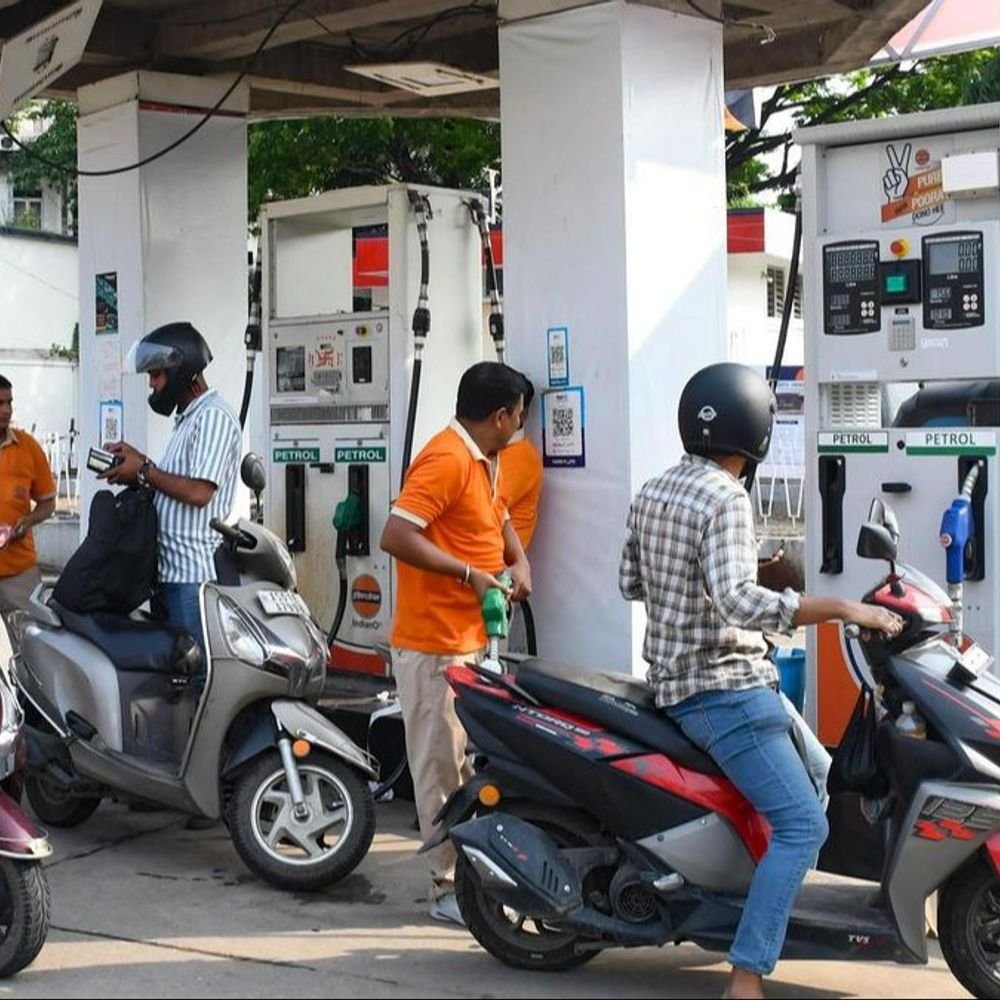
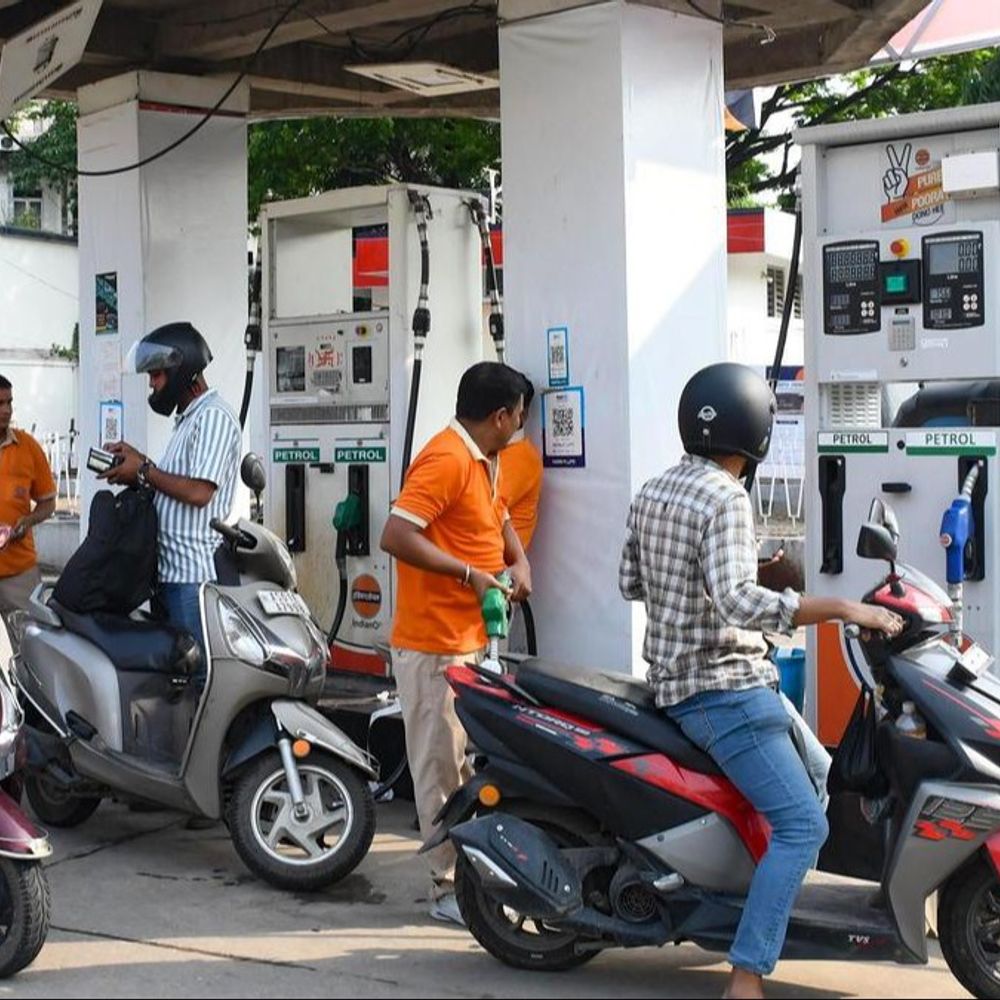
The Central Government has imposed no excise duty on petrol containing 22% to 30% ethanol. No relief has been given on petrol mixed with E20, i.e. 20% ethanol. The Central Government has taken this step to reduce the import of crude oil in the country and to promote clean energy. Let us understand in simple questions and answers what this decision of the government means and how it will benefit the common man and the country. Question 1: What new notification has the government issued regarding ethanol blended petrol? Answer: The Government of India has issued a notification exempting high level ethanol blending in petrol from excise duty. Under this, no excise duty will be imposed on petrol which contains 22% to 30% ethanol. Four new variants of petrol – E22, E25, E27 and E30 will be included in the scope of this tax exemption. This is the first time that the government has announced such huge financial support, i.e. fiscal incentive, for blends above E20. Question 2: What is ethanol? Answer: Ethanol is a type of alcohol, which is made from the fermentation of starch and sugar. It is mixed with petrol and used as eco-friendly fuel in vehicles. Ethanol is produced primarily from sugarcane juice, but ethanol can also be produced from starch containing materials such as corn, rotten potatoes, cassava, and rotten vegetables. Question 3: What is the main reason behind this decision of the government? Answer: India imports about 87% of its requirement from abroad. This decision has been taken to reduce the country’s dependence on foreign oil and promote pollution-free green energy produced domestically. This tax exemption will motivate oil companies to mix more than 20% ethanol in petrol, which will save the country’s money from going out. Question 4: Does the government have any technical framework ready for the new variants – E22 to E30? Answer: Yes, the government has already made complete preparations for this. Just a few weeks ago, the Bureau of Indian Standards (BIS) officially notified fuel-quality standards for E22, E25, E27 and E30 petrol blends. These standards under IS 19850:2026 have come into effect from May 15, 2026. In these, the quantity of ethanol, octane rating, sulfur limit, testing process and safety rules have been decided. Now with tax exemption, both technical and financial paths have been cleared. Question 5: What is the current status of ethanol blending in India, are we close to the target? Answer: India’s ethanol blending program has progressed much faster than scheduled. By amending the National Policy on Biofuels (2018), the target of adding 20% ethanol (E20) to petrol was earlier set for 2030, which was later reduced to Ethanol Supply Year (ESY) 2025-26. Government oil cells had achieved the target of 10% blending in June 2022 itself, 5 months ahead of schedule. Question 5: What is the controversy regarding the effect of ethanol on the engine and performance of vehicles? Answer: As E20 fuel started becoming available across the country, some vehicle owners raised concerns about engine efficiency, mileage and damage to old vehicle parts. This matter also reached the Supreme Court. However, in September 2025, the Supreme Court rejected the petition filed against the implementation of E20 fuel across the country. The government had argued in the court that this change has been made after thorough investigation and keeping in mind the economic benefits of the sugarcane farmers. The government had also rejected the demand to continue parallel supply of pure petrol without ethanol. Question 7: Does the mileage of vehicles reduce due to mixing of ethanol? What does the automobile industry have to say? Answer: The Society of Indian Automobile Manufacturers (SIAM), an organization of automobile manufacturers, had clarified the situation on this. According to SIAM, the use of E20 fuel in some old vehicles may cause a slight drop in mileage, but there is no threat to the safety of the vehicle. Question 8: It is generally believed that ethanol is cheaper, so will the price of blended petrol reduce? Answer: According to government data, buying ethanol from companies is not cheaper than refined petrol. Last year, the Petroleum Ministry had said that the average procurement cost (weighted average procurement cost) of ethanol has exceeded the cost of refined petrol. By July 31, 2025, the average procurement cost of ethanol for companies including transportation and GST was Rs 71.32 per liter. This is the reason why despite the increase in the amount of ethanol in petrol, reducing the retail price remains difficult at present.
Source link