

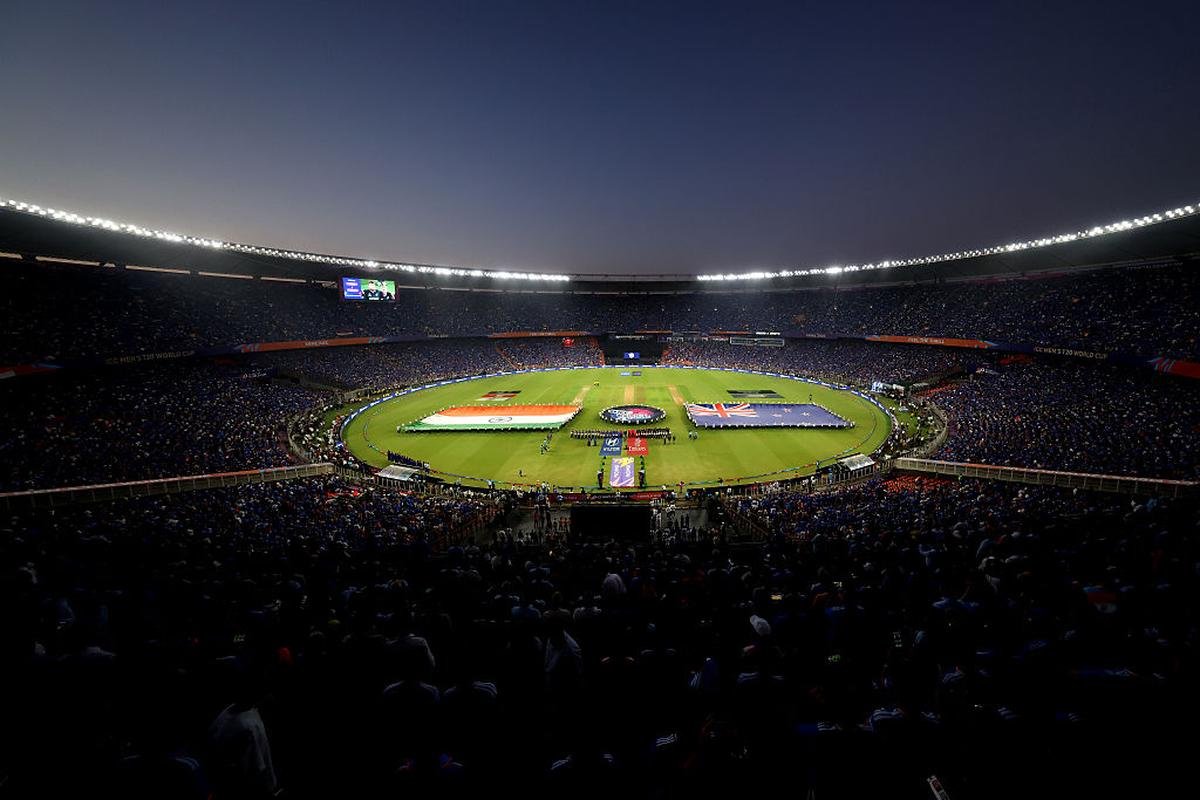
A total of 111,074.11kg of waste was managed at the ICC Men’s T20 World Cup 2026 in India, approximately seven times as much as was managed at the Women’s ODI World Cup, also held in the country last year.
The International Cricket Council joined hands with multiple stakeholders like Anandana, The Coca-Cola India Foundation, Ek Saath – The Earth Foundation, and Greenmyna to tackle the issue of waste management at the tournament across five Indian host cities in an initiative labeled #MaidaanSaaf.
As reported by partner Greenmyna, the endeavor achieved an average segregation rate of 84.64 percent, diverted 94,001 kg from landfill, and brought over 932,000 attendees under its awareness campaign.
ALSO READ | Off-side: India Women’s World Cup win, vast and personal
The campaign focused on waste segregation with several wet and dry waste bins installed across venues. 51,420 kg of dry waste was processed while 17,260 kg of wet waste was composted during the course of the tournament. The non-recyclable waste generated, which is typically sent to landfills or incinerators, was co-processed in cement factories.
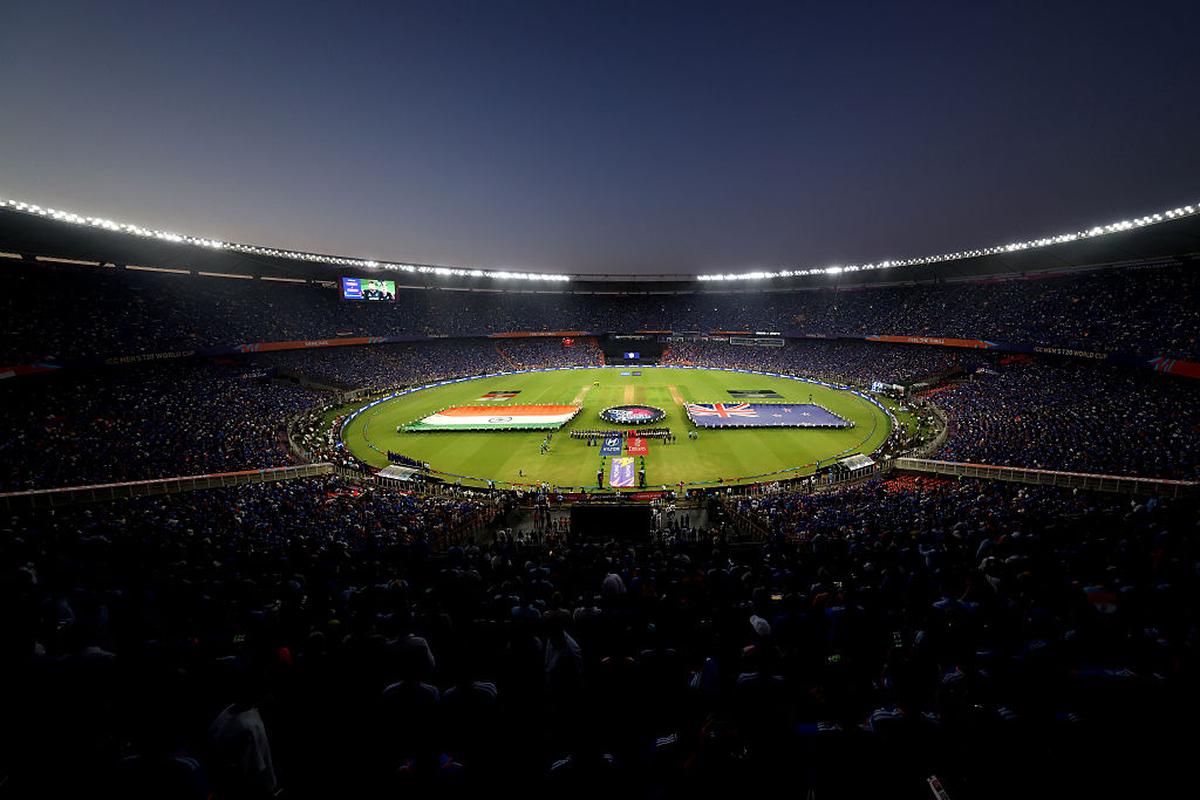
The Narendra Modi Stadium in Ahmedabad achieved 100 percent landfill diversion. | Photo Credit: Getty Images

The Narendra Modi Stadium in Ahmedabad achieved 100 percent landfill diversion. | Photo Credit: Getty Images
Among the five main cricketing centres, Ahmedabad recorded the highest amount of waste – 44,127 kg, Mumbai came second with 24,323 kg.
The Sri Lanka leg of the World Cup saw two tonnes of PET bottles and 650kg of aluminum cans collected during the tournament this year.
The ICC and Greenmyna’s statistical report, which sports star has seen, breaks down the different challenges that arise in managing waste in an ODI and T20I event.
T20 matches last three to four hours and do not give the housekeeping teams in venues much time to ensure effective segregation. T20 matches generate two major waste spikes, one at the innings break and one in the post-match stage when crowds exit. The Men’s World Cup had 2.4 times more attendees than the Women’s ODI tournament but generated six times more waste. The campaign focused on addressing infrastructure inadequacies by installing bins and enlisting volunteer support in keeping the arenas tidy, while also attempting to address audience behaviors that stress waste collection systems.
Each major venue achieved key waste management milestones during the course of the world cup.
The Narendra Modi Stadium in Ahmedabad achieved 100 percent landfill diversion. Sustainable choices like deployment of reusable 20-litre water cans at free water stations, hospitality partners agreeing to manage their own match-day wet waste all proved crucial to the campaign’s effectiveness.
At the MA Chidambaram Stadium in Chepauk, 100 percent segregation was achieved across 148,481 spectators catered to. The Tamil Nadu Cricket Association invited partner teams from the #MaidaanSaaf initiative to institutionalize its protocol. All rejected waste was eventually routed to the city Municipal Corporation for bio-mining with non-recyclable waste heading to cement factories for refuse-derived fuel generation.
Delhi’s Arun Jaitley Stadium also managed to re-route 150 foot plates via the Robinhood Army from the hospitality team, proving how important replicable food recovery is also a key intervention in the waste management process.
Eden Gardens in Kolkata returned the lowest segregation rate of 44.05 per cent, but Greenmyna notes that data collection itself was a challenge at the venue.
There was also an overall drive to reuse plastics and infuse more sustainable material in fan collectibles. PET bottles collected across stadiums were converted into national flags used during match ceremonies while sustainable beverage cups were introduced as collectible merchandise to try and discourage the use of single-use plastic.
Published on May 20, 2026