

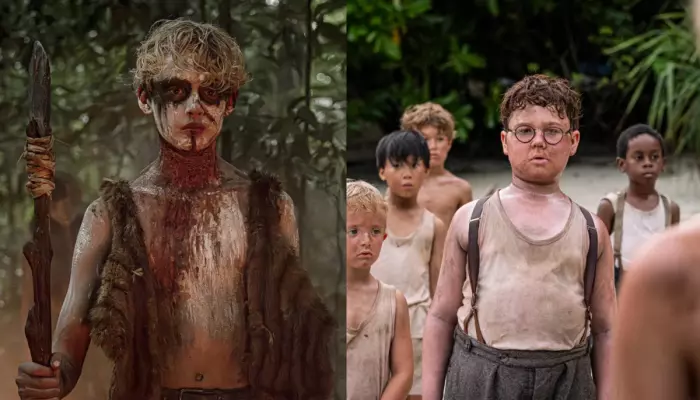
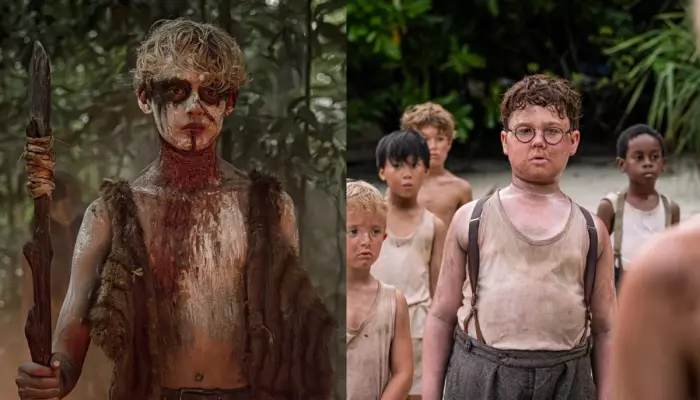
It has been close to eight decades since British writer William Golding left readers unsettled and traumatised with Lord of the Flies (1954). The disturbingly haunting saga of prepubescent boys’ descent into chaos can leave even the most fearless reader’s blood run cold, and the story changes something within you, and it’s an uncomfortable itch that just can’t be scratched.
When Netflix brought its own adaptation of the same nightmare, readers of the classic were left especially curious about how creator Jack Thorne and director Marc Munden revisited and recreated the horror. While the makers have assured that the OG horror remains central to the four-part miniseries, those who have read the book may notice some key changes that have somewhat reshaped the ending. Does the series’ end hit quite as hard as it did in the Golding classic? Let’s find out.
[Disclaimer: The following article contains extensive spoilers from all four episodes of Lord of the Flies, Netflix.]
How does Netflix’s Lord of the Flies end?
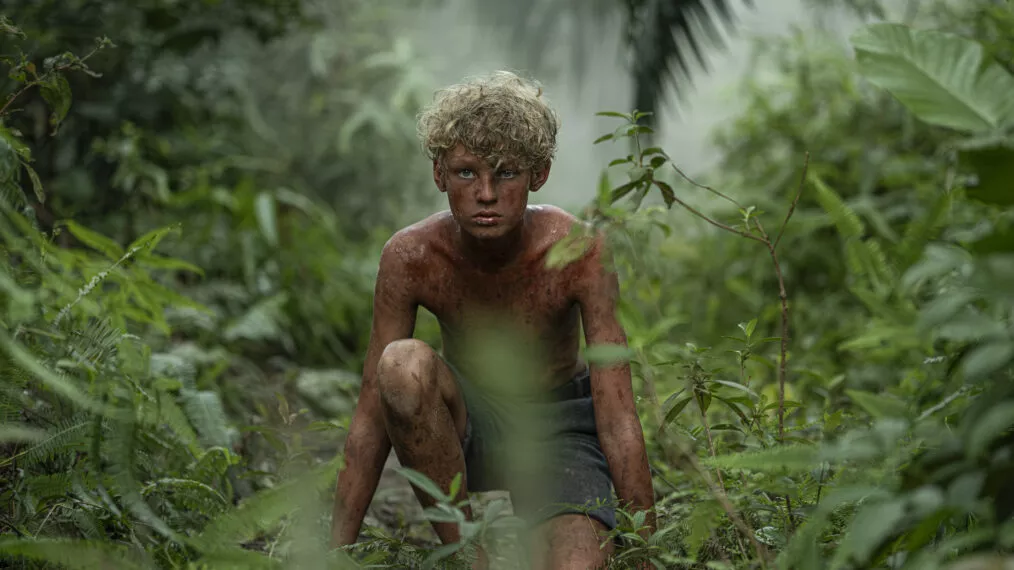
Much like the original story, the final moments unfold with ‘Ralph’ (Winston Sawyers) left completely alone after losing ‘Piggy’ (David McKenna) and ‘Simon’ (Ike Talbut), with ‘Jack’ (Lox Pratt) and his tribe hunting him across the island. As the boys set the forest on fire to flush him out, the situation spirals into full-blown chaos. Just when he is on the verge of being killed, Ralph stumbles onto a beach where a naval officer has arrived, drawn by the smoke.
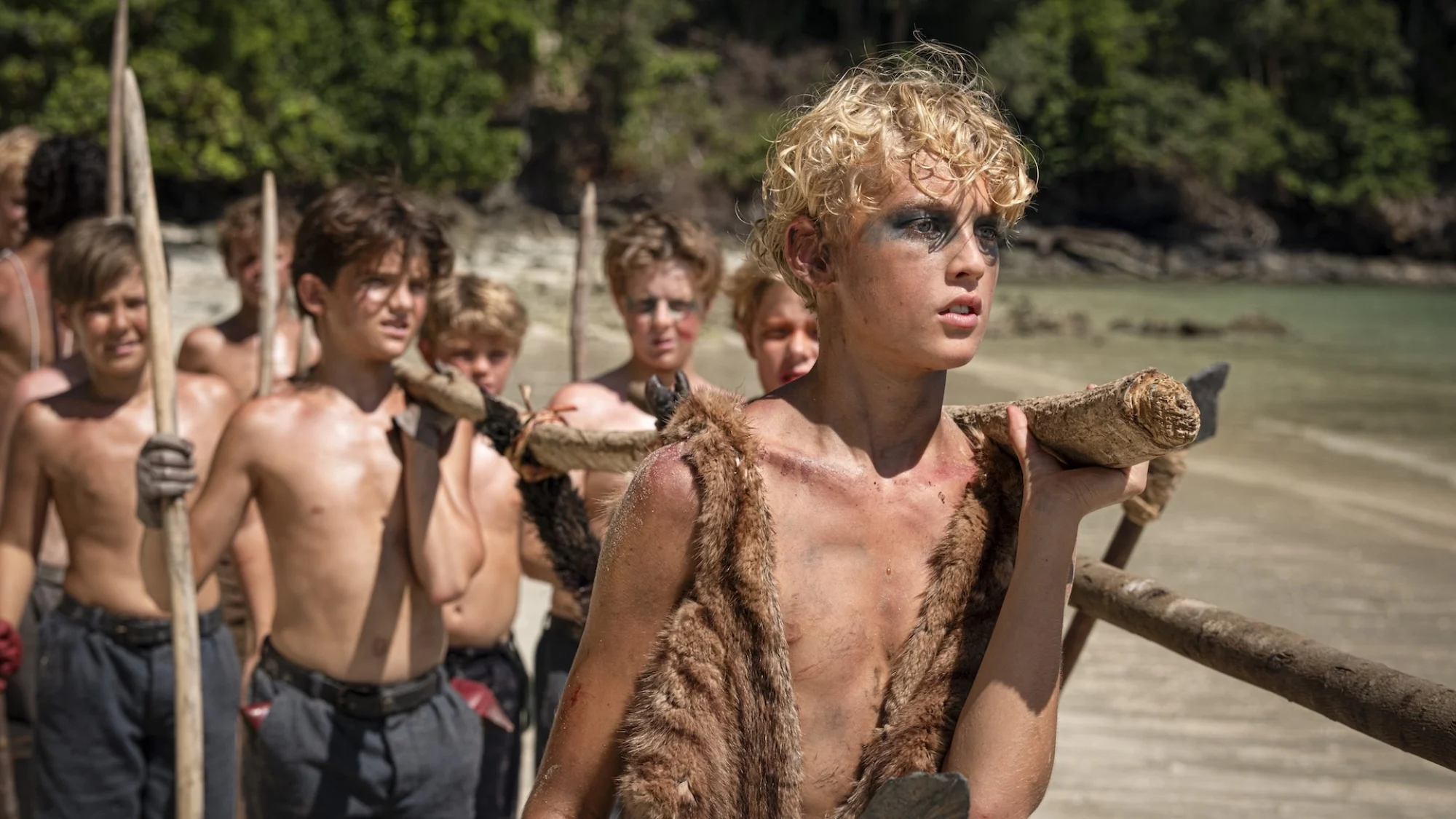
The officer, unaware of the horror that just unfolded, treats the situation dismissively, expecting better behaviour from a group of “civilised” boys. As questioning begins, the remaining boys emerge holding spears but stop upon seeing the adults. When asked if they were merely playing and whether anyone is alive, Ralph reveals that two are dead, growing emotional as he recounts the events.
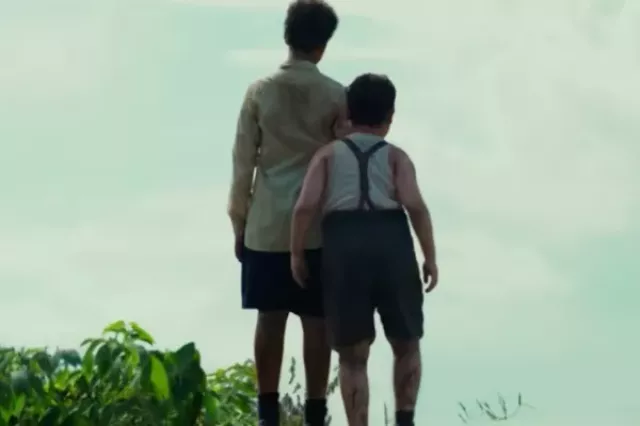
When the officer asks who is in charge, Jack looks down while Ralph claims leadership. When asked more, Ralph can’t say how many survived, but he does say that things were better before. In the end, the boys get on the boat, but Jack stays still, as if frozen in the aftermath.
How does the new adaptation’s ending alter the original story?
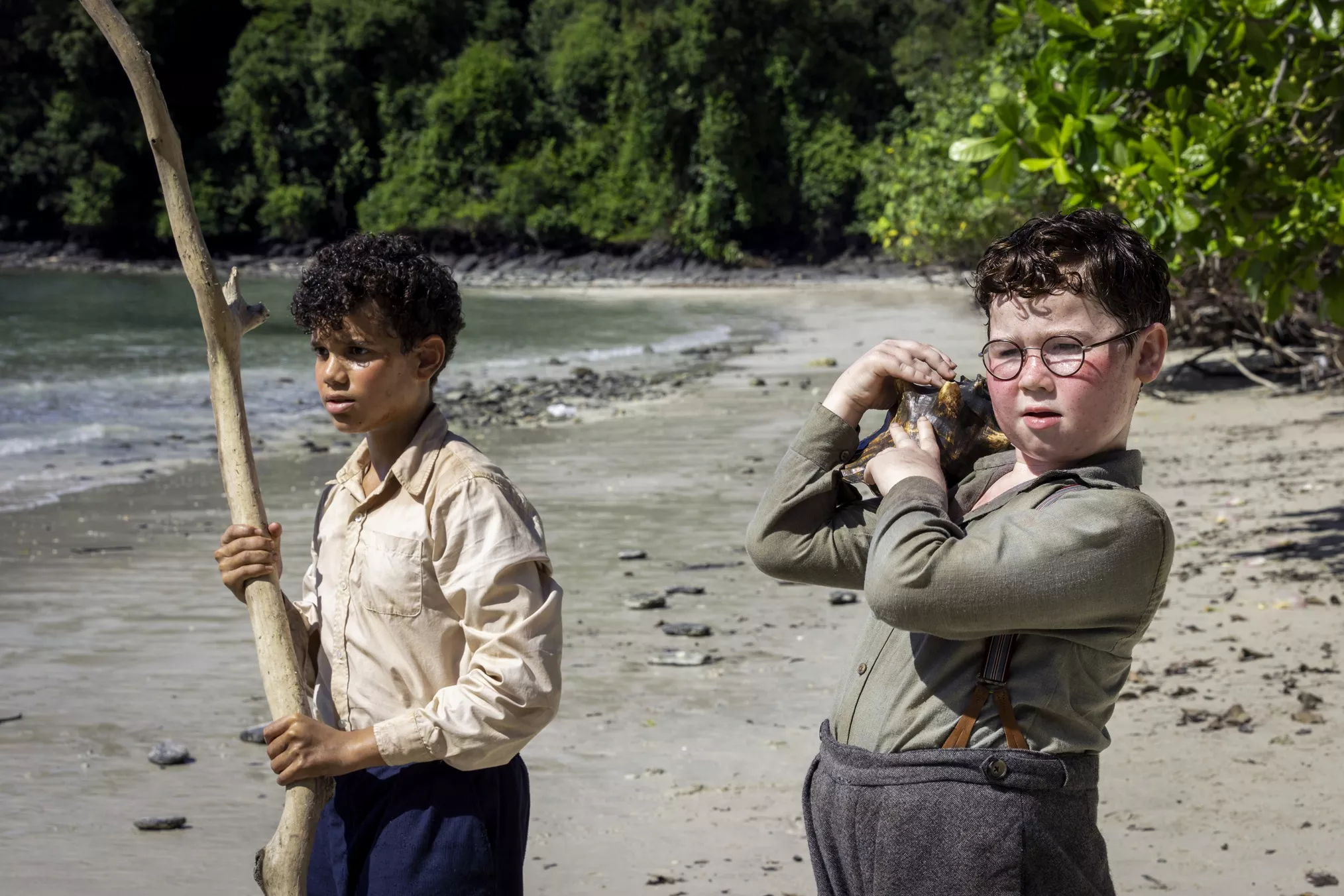
The miniseries has kept the original structure and the order of events mostly the same as William Golding’s book, but the emotional tone is very different. In the book, the boys cry when they are rescued because they feel guilty and scared. In the series, however, the emotional release is replaced by a quiet stillness that is unsettling in its own right. The lack of tears in the last scene makes it feel cold, suggesting that the boys have now been permanently changed.
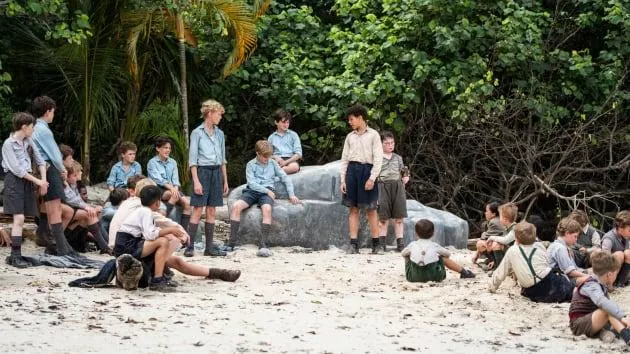
Another aspect is the way Ralph’s response shifts when asked when the naval officer asks who is in charge. Unlike the novel, where he answers immediately, the series shows him hesitating, as he briefly glances at Jack before speaking. As critics have pointed out, subtle changes like this have acted in favour of the show, masterfully capturing the psychological weight of everything that has happened.
Other changes in the Netflix adaptation of Lord of the Flies
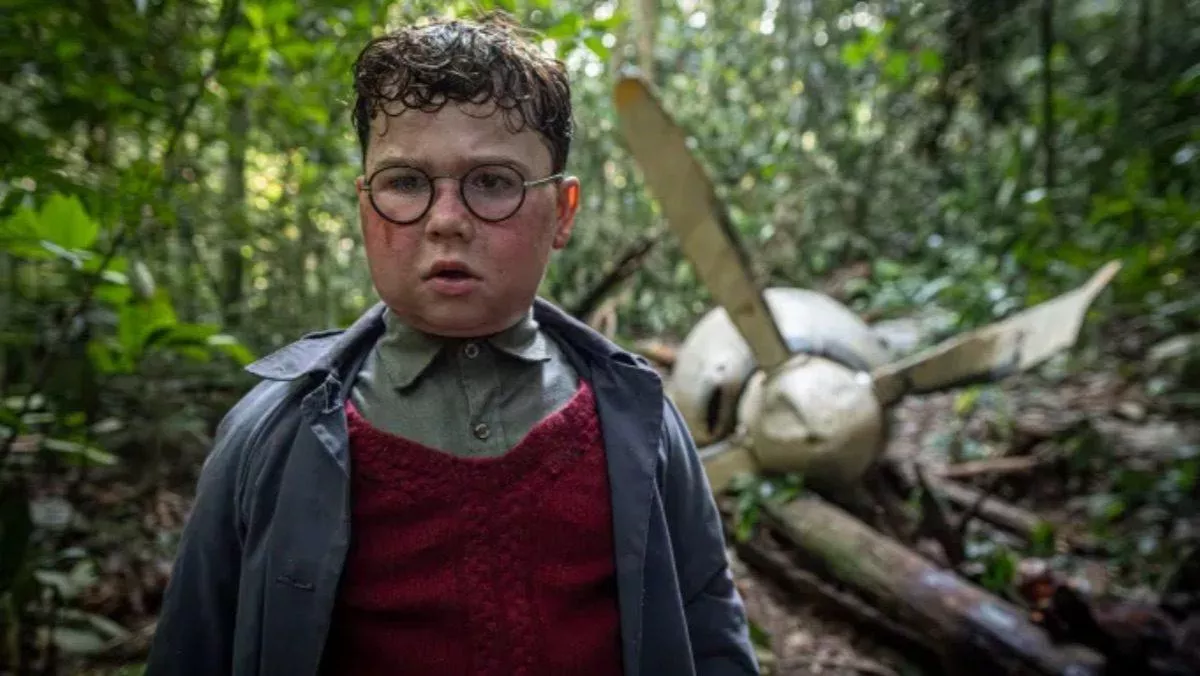
Besides the equally unforgettable ending, the series has introduced certain key changes that somewhat altered the emotional core of Lord of the Flies. The beginning of the series itself shows a different perspective: rather than Ralph, the narrative begins from Piggy’s perspective, immediately shifting the tone. In the series, the boys come across the pilot’s body early on and quickly dispose of it by pushing it off a cliff. In William Golding’s novel, however, the discovery happens much later, and the boys initially mistake the figure in the jungle for the so-called “beast.”
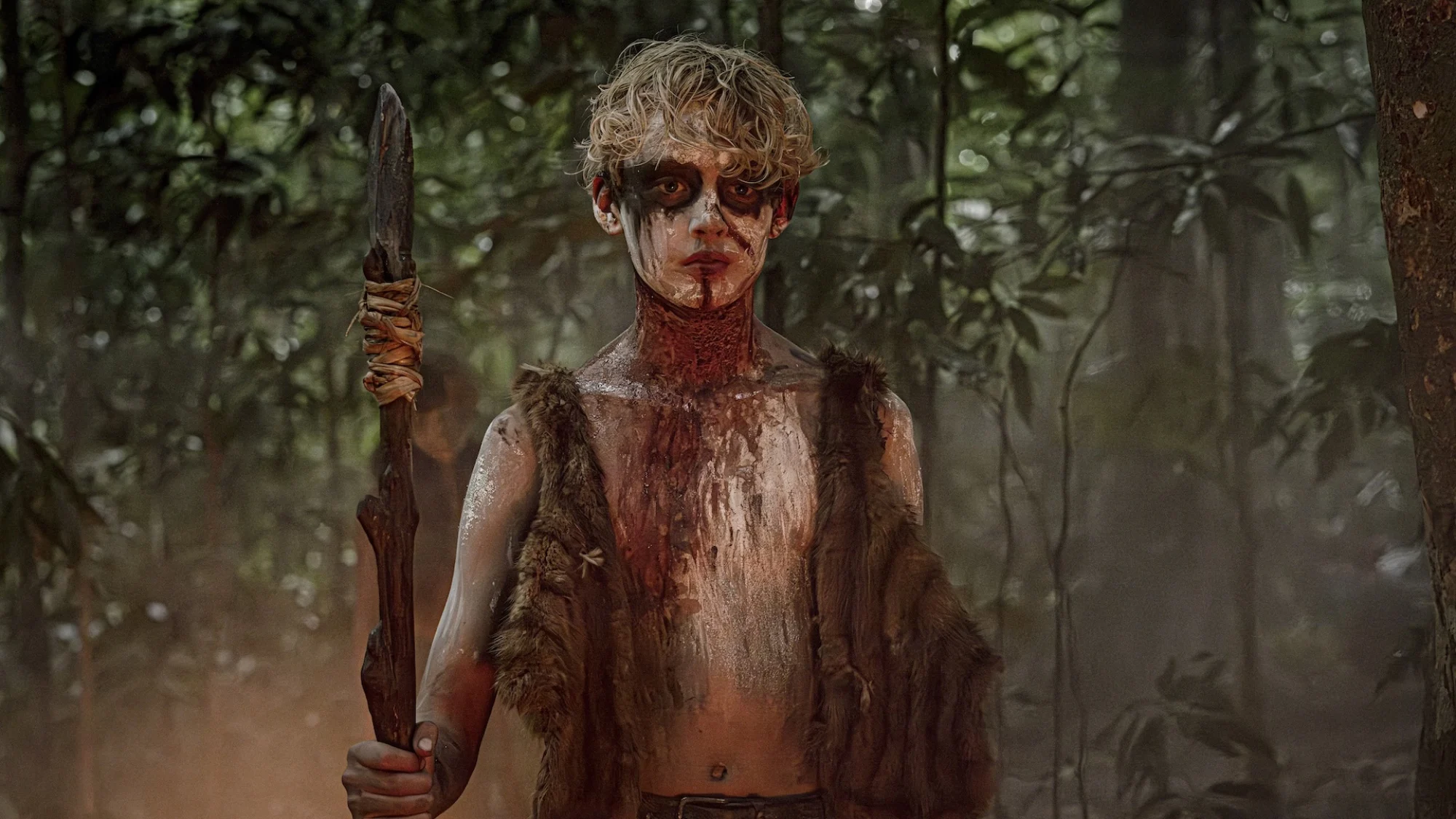
In the original story, Simon is the one who actually discovers the body first, but dies before he can share it with the rest. However, the Netflix adaptation changes it. Besides, Golding never revealed the real name of Piggy. While it added another layer of mystery to the story, Piggy gets a name (Nicholas) in the series, and later, after he and Ralph become close allies, he gets the nickname ‘Nicky’.
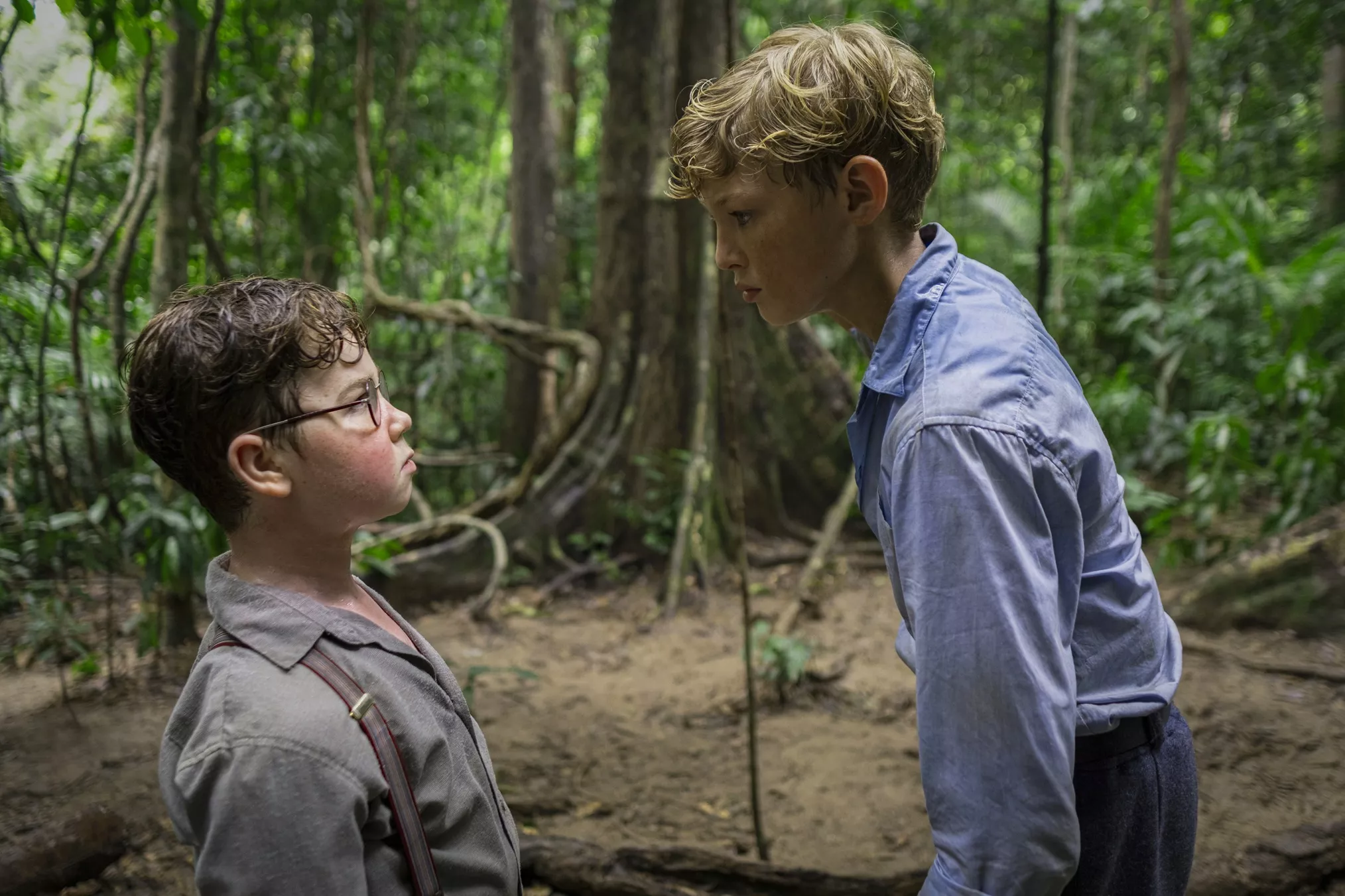
Besides some other changes, including the first hunt that originally results in a blame game, perhaps the most significant change is seen in the way Piggy’s death unfolds in the show. Unlike the book, where he dies an instant death, the show dramatically extends the moment, allowing Ralph to try to save him. This adds emotional depth and makes the loss more personal, carrying greater weight into the final act.
Final verdict: subtle shifts but equally captivating storytelling
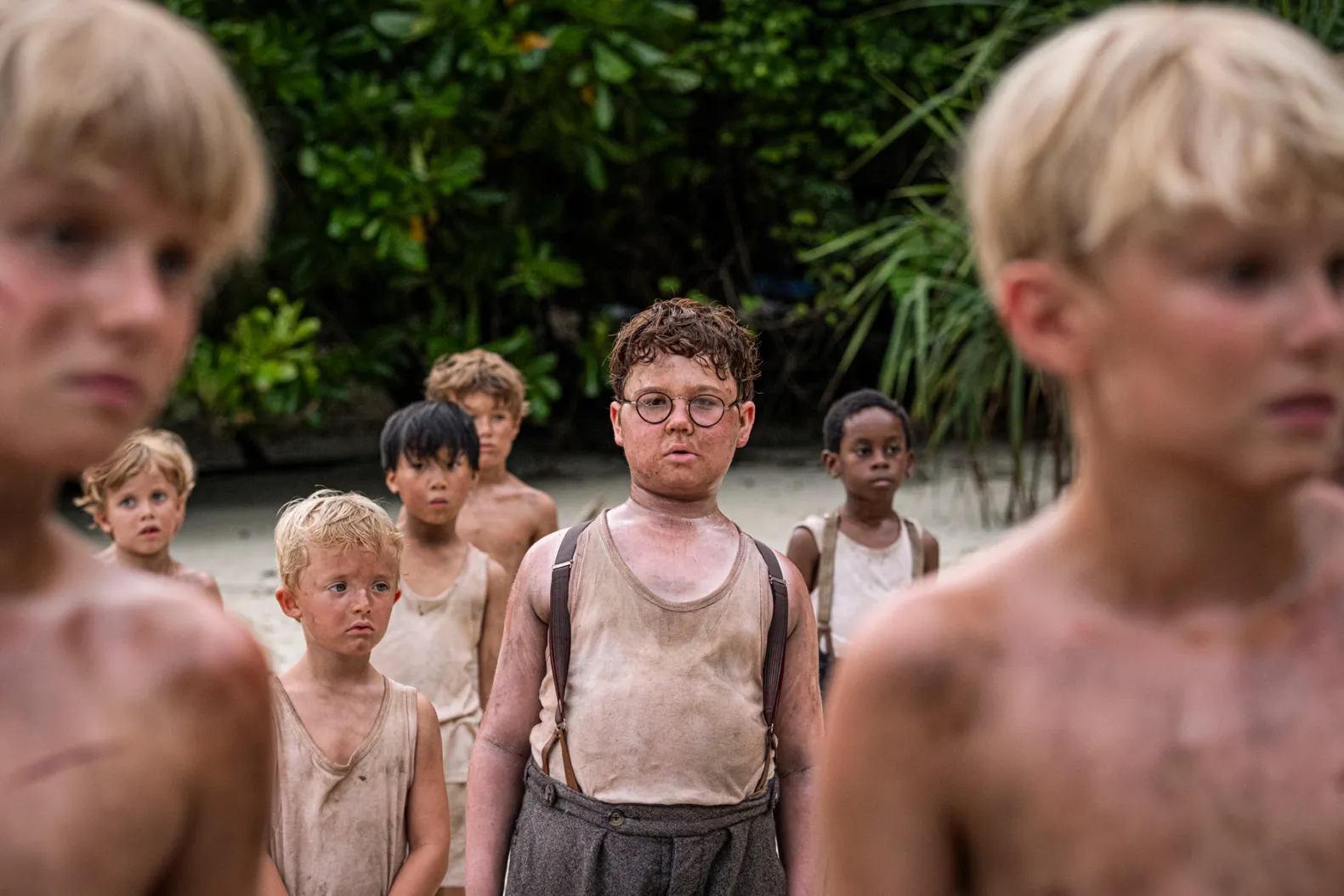
The fact that the makers don’t try to rewrite the original story and stick to the central storyline makes Lord of the Flies a worthy watch for readers, audiences, and critics alike. With the minor and major changes, including more emotional exploration of the characters, the Netflix version of Lord of the Flies certainly feels more human, and ultimately, equally (if not arguably more) haunting. Besides everything, the cast of characters has been a major talking point for the Netflix miniseries.
Lord of the Flies aired on Netflix on May 4, 2026, after its initial release on February 8, 2026, on BBC iPlayer, BBC One, Stan, TVNZ 1, and TVNZ+. The show has already left a positive impression on critics. Set in the ’50s, the story follows a group of young boys who are stranded on an island after a plane crash, and their quest to find a way to rescue.
How many changes could you spot in the miniseries? Let us know your thoughts on the same.
Pic credit: Lord of the Flies/Netflix, BBC
Read Next: ‘Euphoria’ Season 3 Episode 4 Recap, ‘Rue’ Cuts A Deal, ‘Cassie’ And ‘Nate’ Heal From Trauma